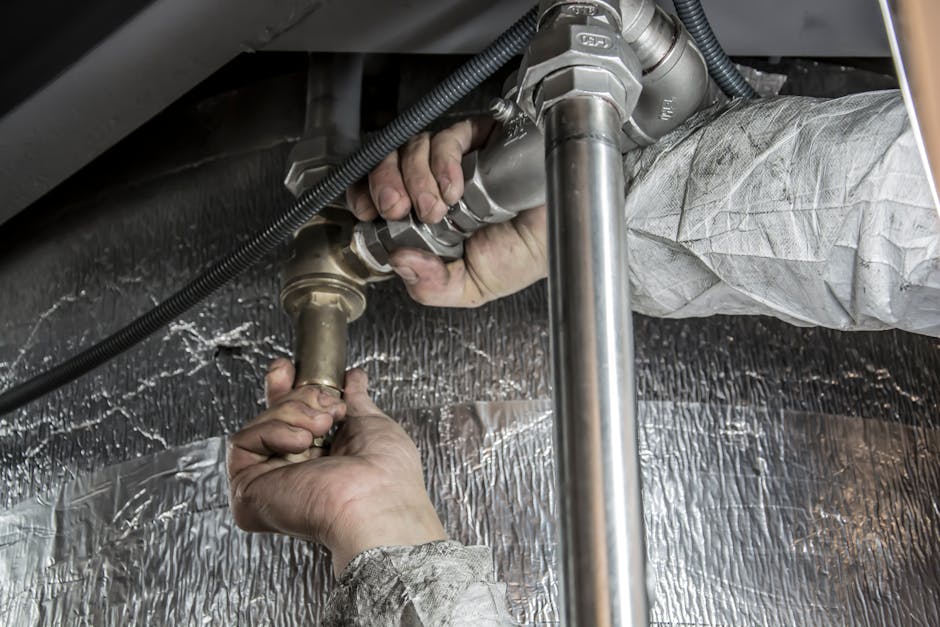
Living in Palatine, Illinois means dealing with the unique plumbing challenges that come with our beautiful northwest Chicago suburb. From brutal polar vortex winters that can freeze pipes solid to spring thaws that test your sump pump’s limits, Palatine homeowners face plumbing situations that require quick decision-making. The big question? When should you roll up your sleeves for a DIY fix, and when should you call a professional plumber?
As someone who’s lived through countless Chicago winters and seen what those freeze-thaw cycles can do to our homes—especially those classic 1960s and 70s builds that make up so much of Palatine’s housing stock—I understand the dilemma. Let’s walk through the most common scenarios Palatine homeowners face and help you make the right call.
Minor Clogs and Drain Issues: Usually DIY Territory
Most Palatine homeowners can handle basic drain clogs without calling for professional drain cleaning services. Here’s when you can likely tackle it yourself:
Safe DIY scenarios:
- Slow-draining bathroom sinks with visible hair buildup
- Kitchen sinks backing up from grease or food particles
- Toilet clogs from obvious causes (too much toilet paper, etc.)
DIY tip that actually works: Skip the chemical drain cleaners—they’re harsh on Palatine’s older plumbing systems and can damage pipes over time. Instead, try this method: Pour one cup of baking soda down the drain, followed by one cup of white vinegar. Cover the drain with a wet cloth for 15 minutes, then flush with hot water. This gentle approach works surprisingly well on organic clogs and won’t harm your pipes.
When to call a plumber instead:
- Multiple drains backing up simultaneously (this often signals a main line problem)
- Sewage odors coming from drains
- Water backing up in your basement floor drains
- Recurring clogs that return within days of clearing
That last point is especially important in Palatine’s older homes, where tree roots commonly invade sewer lines, and shifting soil from our freeze-thaw cycles can cause pipe misalignment.
Frozen Pipes: Know Your Limits
Palatine winters can be brutal—we’ve all lived through those polar vortex events where temperatures stayed below zero for days. Frozen pipes are practically a rite of passage for Chicago suburb homeowners, but your response depends on the situation.
Safe DIY approach for minor freezing: If you have a faucet that’s barely trickling or completely stopped, and you can access the pipe, you can try gentle thawing. Use a hair dryer on low heat, starting from the faucet end and working toward the frozen section. Keep the faucet open to allow water to flow as the ice melts.
Immediate professional help needed:
- Any signs of burst pipes (water damage, wet walls, unexplained water bills)
- Frozen pipes you can’t locate or access
- Multiple fixtures affected simultaneously
- Frozen pipes in your basement or crawl space
The reality is that Palatine’s older homes often have plumbing in vulnerable areas, and what starts as a simple freeze can quickly become a burst pipe situation requiring emergency plumbing services. When in doubt, call early—it’s much cheaper than water damage restoration.
Water Heater Issues: Mostly Professional Territory
Your water heater works overtime during Palatine winters, and problems often surface during our coldest months when you need hot water most.
Very limited DIY options:
- Relighting a pilot light (gas water heaters only, and only if you’re comfortable with gas appliances)
- Checking circuit breakers for electric units
- Draining sediment from the tank (but this requires experience and can be dangerous)
Call a professional for:
- Any gas leaks or gas odor
- Electrical issues with electric water heaters
- Inconsistent water temperatures
- Discolored or rusty water
- Any leaking around the unit
Palatine’s hard water is particularly tough on water heaters, causing sediment buildup that reduces efficiency and shortens lifespan. Professional maintenance can extend your unit’s life significantly—especially important given how much we rely on hot water during those long Illinois winters.
Sump Pump Problems: Don’t Risk Your Basement
Living in Palatine means your basement is a valuable space—but it’s also vulnerable to flooding, especially during spring thaws and heavy summer storms. Your sump pump is your first line of defense.
Simple DIY check: Pour a bucket of water into your sump pit to test if the pump activates properly. If it kicks on and pumps the water out efficiently, you’re good to go.
Call for professional sump pump services when:
- The pump runs continuously but water levels don’t drop
- Strange noises during operation
- The pump doesn’t activate when you test it
- Any signs of water damage in your basement
- Before severe weather if you have any doubts about functionality
Given how quickly basement flooding can destroy furnaces, electrical systems, and personal belongings stored downstairs, sump pump issues aren’t worth the DIY risk in most cases.
Toilet Troubles: It Depends on the Problem
Toilets are surprisingly complex, but some issues are definitely DIY-friendly while others require professional expertise.
Usually safe to DIY:
- Replacing a flapper or chain inside the tank
- Adjusting water level in the tank
- Basic clogs (as mentioned earlier)
DIY tip for running toilets: Most running toilets are caused by a warped flapper that won’t seal properly. Turn off water to the toilet, flush to empty the tank, then gently clean around the flapper seat and check if the flapper lies flat. If it’s warped, replacement flappers cost about $5 and take five minutes to install.
Professional help needed:
- Toilets that rock or feel loose (especially in older Palatine homes where floor settling is common)
- Cracks in the toilet bowl or tank
- Consistent clogging issues
- Water pooling around the base
The Bottom Line for Palatine Homeowners
Living in the Chicago suburbs means dealing with unique challenges—harsh winters, older home construction, hard water, and the reality that small problems can become big ones quickly when temperatures drop. Here’s my general rule: if there’s any risk of making the problem worse, affecting your home’s structure, or dealing with gas/electrical components, call a professional.
Remember, many plumbing problems that seem minor can indicate bigger issues, especially in Palatine’s older homes. A slow drain might mean tree roots in your sewer line. A running toilet could indicate foundation settling. What looks like a simple fix might be masking a problem that requires professional diagnosis.
The goal isn’t to avoid DIY entirely—basic maintenance and minor repairs can save money and give you valuable knowledge about your home’s systems. But knowing when you’re in over your head can save you thousands in water damage and prevent small problems from becoming major emergencies.
Need professional help with your Palatine plumbing? Call The Palatine Plumber at (847) 241-2651. We understand the unique challenges of northwest Chicago suburb homes and we’re here to help—whether it’s emergency service during a polar vortex or routine maintenance to keep your systems running smoothly year-round.
Need Professional Help?
If you're experiencing plumbing issues in Palatine, our licensed plumbers are ready to help.
Call The Palatine Plumber: (847) 241-265124/7 Emergency Service Available