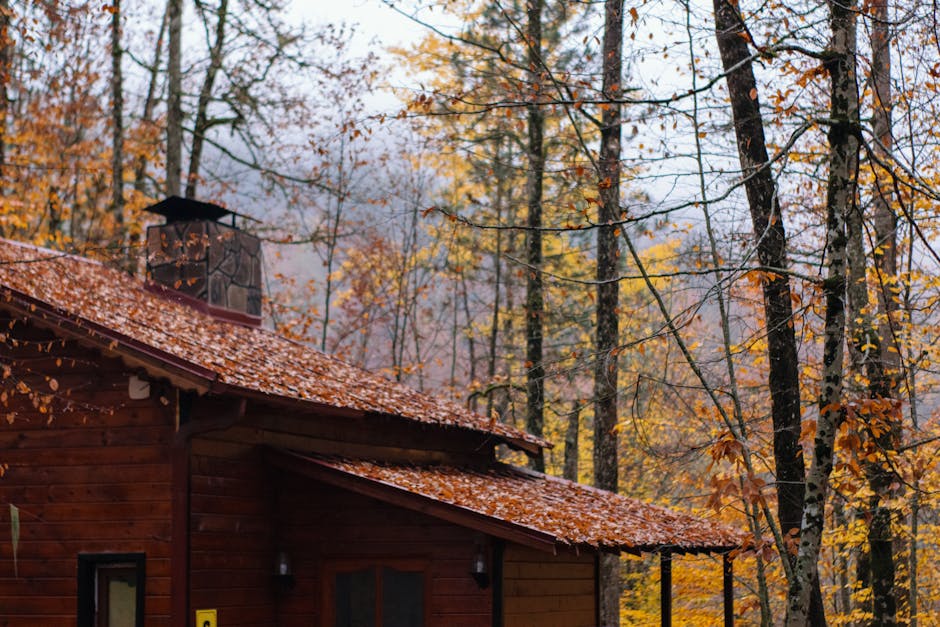
As autumn leaves begin to paint the streets of Palatine in vibrant reds and golds, savvy homeowners in the northwest Chicago suburbs know it’s time to shift their attention from summer lawn care to preparing their homes for the notorious Illinois winter ahead. With temperatures that can plummet from comfortable October afternoons to the brutal cold of a polar vortex in just a few short months, your plumbing system needs proper preparation to survive the freeze-thaw cycles that define our four-season climate. Taking proactive steps now can save you from emergency plumbing calls when temperatures drop below zero.
Protecting Your Pipes from Freeze-Thaw Damage
Chicago suburb winters are legendary for their severity, and Palatine homeowners know all too well how quickly a beautiful autumn can turn into a pipe-bursting deep freeze. The key to avoiding frozen pipes lies in understanding where your home is most vulnerable and taking action before the first hard frost.
Insulate Exposed Pipes
Start by inspecting your basement, crawl spaces, and any areas where pipes run along exterior walls. Many homes built in Palatine during the 1960s and 70s boom have plumbing that wasn’t designed with today’s extreme weather events in mind. Pay special attention to pipes in unheated areas like garages, basements near foundation walls, and utility rooms.
DIY Tip: Foam pipe insulation is inexpensive and easy to install yourself. Simply measure your pipes, purchase the appropriate diameter foam sleeves from your local hardware store, and slip them over exposed pipes. For pipes in extremely cold areas, consider upgrading to fiberglass pipe wrap with a vapor barrier.
Know Your Shut-Off Valves
Every Palatine homeowner should know where their main water shut-off valve is located—typically in the basement near where the water line enters your home. In the event of a pipe burst during a polar vortex, knowing how to quickly shut off your water can mean the difference between minor water damage and a flooded basement.
When to Call a Professional
If you discover pipes that are difficult to access, already showing signs of previous freeze damage, or located in areas where proper insulation seems impossible, it’s time to call a plumber. Professional insulation and pipe rerouting might be necessary, especially in older homes where plumbing runs through particularly vulnerable areas.
Basement Plumbing and Sump Pump Preparation
Palatine’s flat terrain and clay-heavy soil mean that basement flooding is always a concern, especially during spring thaw or heavy fall rains before the ground freezes. Your sump pump is your first line of defense against water damage, making fall maintenance absolutely critical.
Test Your Sump Pump System
Before the first freeze, test your sump pump by slowly pouring water into the sump pit until the float rises and triggers the pump. The pump should start immediately, run smoothly, and efficiently remove the water. Listen for unusual noises, grinding sounds, or irregular cycling—these could indicate mechanical problems.
DIY Tip: Clean debris from your sump pit and check that the float moves freely. Remove any accumulated sediment or small objects that could interfere with the pump’s operation. Also, ensure your backup power source (if you have one) is functioning properly.
Inspect Basement Floor Drains
Many Palatine homes have basement floor drains that can become clogged with lint, hair, and debris over time. Pour a bucket of water down each drain to ensure it flows freely. If water backs up or drains slowly, you may need professional drain cleaning services before winter arrives.
Hard Water and Your Plumbing System
The Chicago suburbs, including Palatine, are notorious for hard water issues due to our geological location and municipal water sources. Hard water doesn’t just leave spots on your dishes—it can seriously impact your plumbing system’s longevity and efficiency.
Inspect for Mineral Buildup
Check faucet aerators, showerheads, and visible pipes for white, chalky buildup. This mineral accumulation reduces water pressure and can eventually cause complete blockages. In older homes with original plumbing, hard water damage may be more extensive and require professional assessment.
DIY Tip: Remove and soak faucet aerators and showerheads in white vinegar overnight to dissolve mineral deposits. For stubborn buildup, use an old toothbrush to scrub away loosened minerals before reinstalling.
Consider Water Softener Maintenance
If you have a water softener system, fall is an excellent time to check salt levels, clean the brine tank, and ensure the system is functioning properly before increased winter usage.
Outdoor Plumbing Winterization
Palatine’s four-season climate means your outdoor plumbing faces months of freezing temperatures, making proper winterization essential for preventing costly spring repairs.
Shut Off and Drain Outdoor Water Lines
Locate the shut-off valves for outdoor spigots and hose connections—these are typically found in the basement or crawl space. Turn off the water supply and open the outdoor faucets to drain any remaining water. Even a small amount of water left in the line can freeze and cause the pipe to burst.
Remove and store garden hoses indoors, as water trapped in hoses can freeze and damage both the hose and the spigot it’s connected to. If you have an irrigation system, make sure it’s been properly blown out by a professional to prevent damage to underground lines.
Protect Exposed Outdoor Fixtures
For outdoor spigots that can’t be completely drained, install insulated faucet covers. These inexpensive devices provide crucial protection during extreme cold snaps that are common in the Chicago area.
Preparing for Emergency Situations
Even with the best preparation, plumbing emergencies can still occur during harsh Illinois winters. Being prepared can minimize damage and help you respond effectively.
Create an Emergency Kit
Keep basic plumbing tools handy: a plunger, pipe wrench, flashlight, and emergency phone numbers. Know where your main electrical panel is located, as you may need to shut off power if water threatens electrical systems.
Know When to Call for Emergency Plumbing
Some situations absolutely require immediate professional intervention: burst pipes, sewage backups, no water throughout the house, or gas line issues. Don’t attempt DIY repairs on major problems—they can quickly escalate into dangerous or extremely costly situations.
Taking Action for a Worry-Free Winter
Fall plumbing maintenance in Palatine isn’t just about convenience—it’s about protecting your most significant investment from the harsh realities of Illinois weather. By taking these proactive steps, you’re not only avoiding potential disasters but also ensuring your family’s comfort throughout the long winter months ahead.
The key is starting early, before that first hard freeze catches you unprepared. While many maintenance tasks are well within the capabilities of most homeowners, don’t hesitate to bring in professionals for complex issues, especially in older homes where surprises often lurk behind walls and in crawl spaces.
Remember, an ounce of prevention is worth a pound of cure—especially when that cure might involve emergency repairs during a January blizzard. Take the time now to protect your plumbing system, and you’ll thank yourself when you’re warm and comfortable inside while the polar vortex does its worst outside.
Need professional help with your fall plumbing maintenance? Call The Palatine Plumber at (847) 241-2651. We’re here to help keep your home comfortable and protected all winter long.
Need Professional Help?
If you're experiencing plumbing issues in Palatine, our licensed plumbers are ready to help.
Call The Palatine Plumber: (847) 241-265124/7 Emergency Service Available