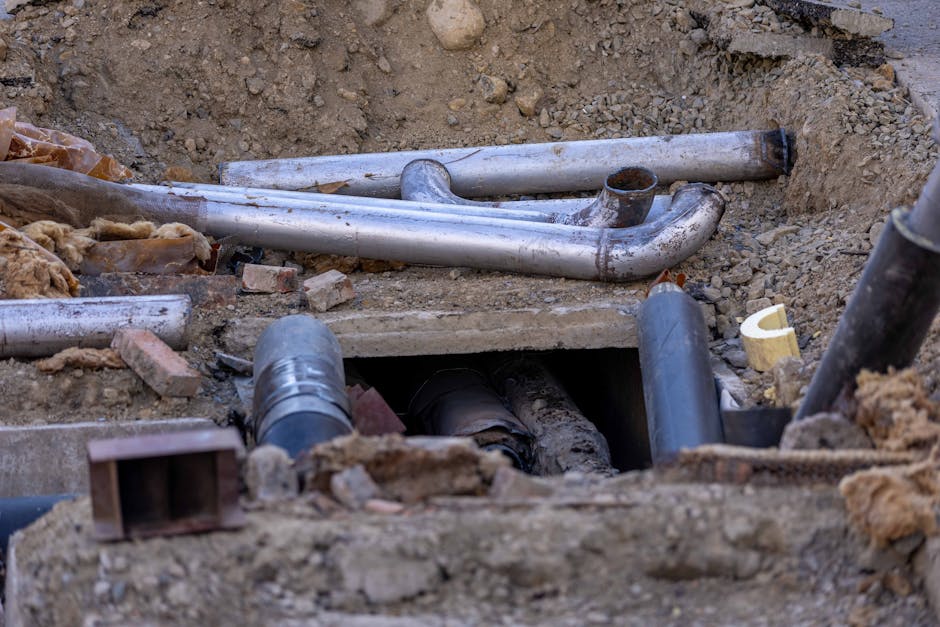
When the mercury drops below freezing in Palatine and the rest of the northwest Chicago suburbs, homeowners know to brace for winter’s most dreaded plumbing nightmare: frozen pipes. With our harsh Illinois winters and infamous polar vortex events, protecting your home’s plumbing system isn’t just smart—it’s essential. Whether you live in one of Palatine’s classic 1960s ranch homes or a newer construction, understanding how to prevent frozen pipes can save you thousands in water damage and costly emergency plumbing repairs.
Why Palatine Homes Are Particularly Vulnerable to Frozen Pipes
Living in the Chicago suburbs means dealing with dramatic temperature swings and extended periods of sub-zero weather. Palatine’s four-season climate creates unique challenges for homeowners, especially those with older homes built in the 1960s and 70s when insulation standards weren’t as rigorous as today.
Many Palatine homes feature basement plumbing systems that run along exterior walls or through unheated crawl spaces—prime real estate for freeze-ups. Add in our area’s hard water issues, which can create mineral buildup that restricts water flow, and you have a recipe for plumbing problems when temperatures plummet.
The freeze-thaw cycle common in northern Illinois is particularly brutal on plumbing systems. When water freezes in your pipes, it expands with tremendous force—up to 2,000 pounds per square inch. This pressure can crack pipes, damage joints, and create leaks that won’t show up until the thaw begins, potentially flooding basements and causing extensive water damage.
Essential Prevention Strategies for Chicago Suburb Homeowners
Insulation Is Your First Line of Defense
Start by identifying vulnerable pipes in unheated areas like basements, crawl spaces, garages, and along exterior walls. In many older Palatine homes, you’ll find exposed pipes in basement utility rooms or running through rim joists where cold air can easily penetrate.
Pipe insulation is inexpensive and easy to install yourself. Foam pipe sleeves or fiberglass insulation wrapped around pipes can provide crucial protection. Pay special attention to pipes near your sump pump system—these basement installations are often in the coldest parts of your home and critical for preventing water damage.
For a quick DIY solution, even newspaper wrapped around exposed pipes can provide temporary protection during unexpected cold snaps, though proper insulation materials are always preferred for long-term protection.
Maintain Consistent Indoor Temperatures
Don’t drastically lower your thermostat when traveling during winter months. While it might seem economical, keeping your home below 55°F puts your plumbing at serious risk. This is especially important for Palatine homeowners with split-level or ranch-style homes where heating distribution can be uneven.
If you have rooms that tend to stay colder—common in older construction—consider using space heaters to maintain temperature near vulnerable plumbing. Just ensure they’re used safely and never left unattended.
Let Faucets Drip During Extreme Cold
When temperatures drop below 20°F (not uncommon during a Chicago-area polar vortex), allow faucets connected to vulnerable pipes to drip slightly. Moving water is much less likely to freeze than standing water. This simple trick has saved countless Palatine homeowners from dealing with burst pipes during brutal cold spells.
Focus on faucets along exterior walls or those you know are connected to pipes in unheated areas. The small increase in your water bill is negligible compared to the cost of emergency plumbing services and water damage restoration.
Warning Signs and Emergency Response
Recognizing the Early Signs
Learn to spot the warning signs of freezing pipes before disaster strikes. Reduced water flow from faucets, strange gurgling sounds, or frost visible on exposed pipes are all red flags. In Palatine’s older homes, pay attention to specific areas where problems commonly occur: basement utility rooms, pipes near exterior doors, and anywhere you’ve had issues before.
If you turn on a faucet and only a trickle comes out, you likely have a freezing situation developing. Don’t ignore these early warnings—they’re your opportunity to prevent a full freeze-up.
Safe DIY Thawing Techniques
If you discover a frozen pipe, you can attempt some safe thawing methods before calling for emergency plumbing services. Turn on the affected faucet to allow water to flow once thawing begins, then apply gentle heat to the frozen section using a hair dryer, heating pad, or warm towels.
Never use open flames, propane torches, or other high-heat sources—these can damage pipes or create fire hazards. Work from the faucet end toward the frozen area, and be patient. Rushing the process often leads to pipe damage.
However, if you can’t locate the frozen area, if pipes are inside walls or ceilings, or if you discover any cracks or leaks, stop and call a professional plumber immediately.
When to Call a Professional Palatine Plumber
While prevention and minor thawing can be DIY projects, certain situations require professional expertise. If you discover burst pipes, have water flowing where it shouldn’t be, or can’t locate the source of a blockage, it’s time to call for professional help.
Emergency plumbing situations can escalate quickly, especially in Palatine’s older homes where one problem can cascade into multiple issues. A professional plumber has the tools and experience to quickly diagnose problems, perform safe repairs, and help prevent future issues.
Additionally, if you’re dealing with repeated freezing problems, a plumber can identify underlying issues like inadequate insulation, poor pipe routing, or ventilation problems that make your home particularly vulnerable. Sometimes what seems like a simple frozen pipe is actually a symptom of a larger plumbing system issue.
Professional drain cleaning services can also help prevent freeze-ups by ensuring proper water flow through your system—remember, moving water is much less likely to freeze than water sitting in partially blocked pipes.
Protecting Your Investment This Winter
Frozen pipe prevention is one of the most important winterization tasks for Palatine homeowners. Taking proactive steps now—proper insulation, temperature maintenance, and understanding warning signs—can save you from costly repairs and the hassle of dealing with water damage during Illinois’s brutal winter months.
Remember that your home’s plumbing system is a significant investment, and protecting it properly pays dividends in avoided repairs, maintained home value, and peace of mind during those inevitable polar vortex events.
Don’t wait until you’re dealing with frozen pipes or water damage to think about your plumbing system. Taking action now, while temperatures are still manageable, is always easier and more cost-effective than dealing with emergency repairs in the middle of a winter storm.
Need professional help assessing your home’s freeze risk or dealing with plumbing issues? Call The Palatine Plumber at (847) 241-2651.
Need Professional Help?
If you're experiencing plumbing issues in Palatine, our licensed plumbers are ready to help.
Call The Palatine Plumber: (847) 241-265124/7 Emergency Service Available