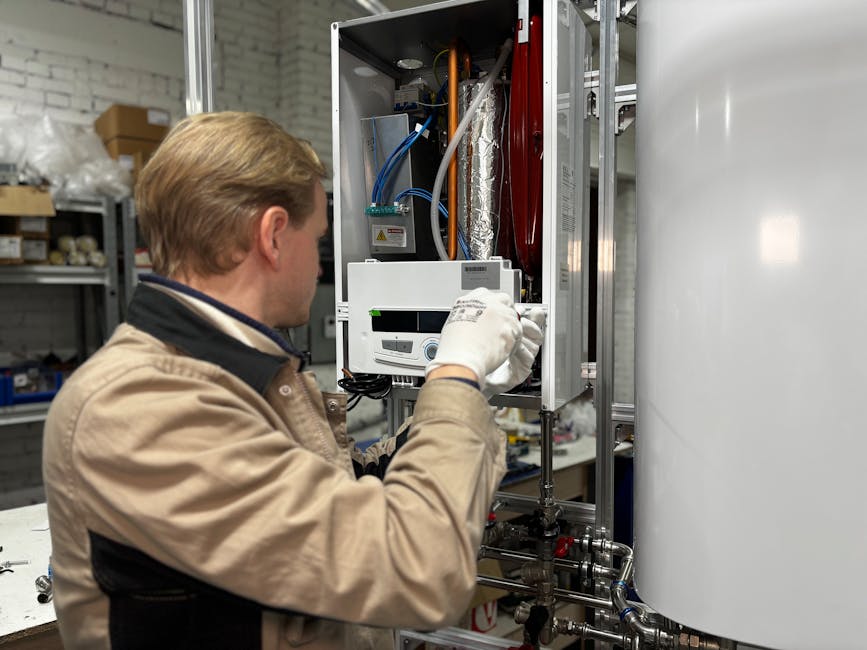
As a Palatine homeowner, you know that Chicago winters don’t mess around. When the polar vortex hits and temperatures plummet well below zero, your water heater works overtime to keep your family comfortable. With many homes in our northwest suburb dating back to the 1960s and 70s, ensuring your water heater is winter-ready isn’t just about comfort—it’s about preventing costly emergency plumbing situations when you can least afford them.
Your water heater is one of the hardest-working appliances in your home, especially during those brutal Chicago winters when hot showers and warm water become absolute necessities. Let’s walk through the essential steps to prepare your water heater for the cold months ahead.
Understanding Winter Challenges for Palatine Water Heaters
Chicago’s four-season climate puts unique stress on home plumbing systems. During winter, your water heater faces several challenges that don’t exist in milder climates. The incoming water temperature can drop significantly—sometimes 20-30 degrees colder than summer temperatures—meaning your unit must work much harder to heat water to your desired temperature.
Palatine’s older home construction presents additional considerations. Many homes built in the 60s and 70s have water heaters located in unfinished basements where temperatures can fluctuate dramatically. These same basements often house sump pump systems that work alongside your plumbing during spring thaws, creating a complex network that needs coordinated maintenance.
The hard water common throughout the Chicago suburbs also compounds winter challenges. Mineral buildup reduces efficiency year-round, but when your system is already working overtime due to cold temperatures, these efficiency losses become more noticeable in both performance and utility bills.
Pre-Winter Water Heater Inspection Checklist
Before the first hard freeze, conduct a thorough inspection of your water heater system. Start by visually examining the unit for any signs of corrosion, rust, or mineral deposits around the base. Small puddles or water stains often indicate developing leaks that will worsen under winter stress.
Check the temperature and pressure relief valve—this critical safety component should show no signs of leaking or corrosion. Test it by lifting the lever slightly; you should hear water discharge into the drain tube. If nothing happens, or if the valve continues dripping after testing, it needs professional replacement.
Examine all visible pipes connected to your water heater, particularly those running along exterior walls or through unheated areas of your basement. Look for any signs of previous freezing damage, such as bulges, cracks, or discolored areas. These vulnerable spots often fail completely when temperatures drop.
DIY Safety Tip: Turn off power to electric water heaters or set gas units to “pilot” before performing any hands-on inspection. Water and electricity don’t mix, and safety should always come first.
Essential Maintenance Tasks for Winter Readiness
One of the most important winter preparation tasks is flushing your water heater to remove sediment buildup. This is especially crucial in Palatine due to our hard water conditions. Sediment acts as an insulating barrier between the heating element and water, forcing your system to work harder and longer to achieve target temperatures.
To flush your water heater, turn off the power and cold water supply, then connect a garden hose to the drain valve at the bottom of the tank. Open the valve and allow water to flow until it runs clear. This simple maintenance task can improve efficiency by 10-15%, which translates to real savings during high-demand winter months.
Replace your anode rod if it hasn’t been changed in the past 3-5 years. This sacrificial component protects your tank from corrosion but deteriorates over time. In areas with hard water like ours, anode rods may need more frequent replacement. While this job can be DIY-friendly for handy homeowners, the rod can be difficult to remove and requires specific tools.
When to Call a Professional: If you’re uncomfortable working with gas lines, electrical connections, or if your anode rod won’t budge after reasonable effort, contact a qualified plumber. The cost of professional service is far less than repairing damage from a DIY mistake.
Insulation and Energy Efficiency Upgrades
Proper insulation becomes critical during Chicago winters. Insulate your water heater tank with a specially designed blanket, leaving clearances around gas vents and controls. For electric units, avoid covering the heating element access panels. A quality insulation blanket can reduce standby heat loss by 25-45%.
Don’t forget about pipe insulation—this is where many Palatine homeowners lose significant energy. Insulate the first six feet of hot and cold water pipes connected to your water heater. In basement installations, extend this insulation to any pipes running along exterior walls or through unheated spaces.
Consider upgrading older thermostats and controls if your water heater is more than 10 years old. Modern digital controls maintain more consistent temperatures and can reduce energy consumption by avoiding the temperature swings common with older mechanical thermostats.
DIY Money-Saving Tip: Foam pipe insulation costs just a few dollars per foot at any hardware store and can typically save 10-15% on water heating costs throughout the winter. It’s one of the easiest home improvements with the fastest payback period.
Protecting Against Freeze Damage
While your main water heater tank is unlikely to freeze, the connecting pipes are extremely vulnerable during polar vortex conditions. Pipes running through unheated basements, crawl spaces, or along exterior walls need special attention.
Install freeze alarms in areas where water heater pipes are located. These inexpensive devices alert you to dangerous temperature drops before pipes actually freeze. Combined with your existing sump pump services, these systems can provide early warning for multiple types of water damage.
For pipes in particularly vulnerable locations, consider installing heat tape or cables designed for plumbing applications. These systems automatically activate when temperatures approach freezing and turn off when danger passes.
During extended cold snaps, allow faucets to drip slightly to maintain water movement through the system. Moving water requires much lower temperatures to freeze than standing water. This technique has saved countless Palatine homeowners from burst pipes during severe cold events.
When to Call for Professional Help
While many water heater maintenance tasks are DIY-friendly, certain situations require professional expertise. If you notice rust-colored water, strange noises from the tank, or fluctuating water temperatures, these often indicate internal problems best diagnosed by a qualified technician.
Any work involving gas connections, electrical wiring, or venting systems should be handled by licensed professionals. Improper installation or repair of these components creates serious safety hazards including carbon monoxide poisoning or electrical shock.
Consider scheduling annual professional maintenance, especially for units over five years old. A qualified plumber can perform detailed inspections, test safety systems, and identify potential problems before they cause emergency situations. This is particularly valuable for homes with complex basement plumbing systems that include drain cleaning needs or integrated sump pump services.
Preparing for Winter Success
Taking time now to prepare your water heater for winter pays dividends in comfort, efficiency, and peace of mind throughout the cold months ahead. Palatine’s challenging climate demands attention to these details, but the investment in preparation prevents far more costly emergency plumbing calls later.
Remember that your water heater doesn’t operate in isolation—it’s part of your home’s complete plumbing system. Issues with drainage, sump pumps, or other components can affect water heater performance and longevity.
Ready to ensure your water heater is prepared for another Chicago winter? Need professional help with inspection, maintenance, or repairs? Call The Palatine Plumber at (847) 241-2651. Our experienced team understands the unique challenges facing northwest suburb homeowners and can help keep your hot water flowing all winter long.
Need Professional Help?
If you're experiencing plumbing issues in Palatine, our licensed plumbers are ready to help.
Call The Palatine Plumber: (847) 241-265124/7 Emergency Service Available