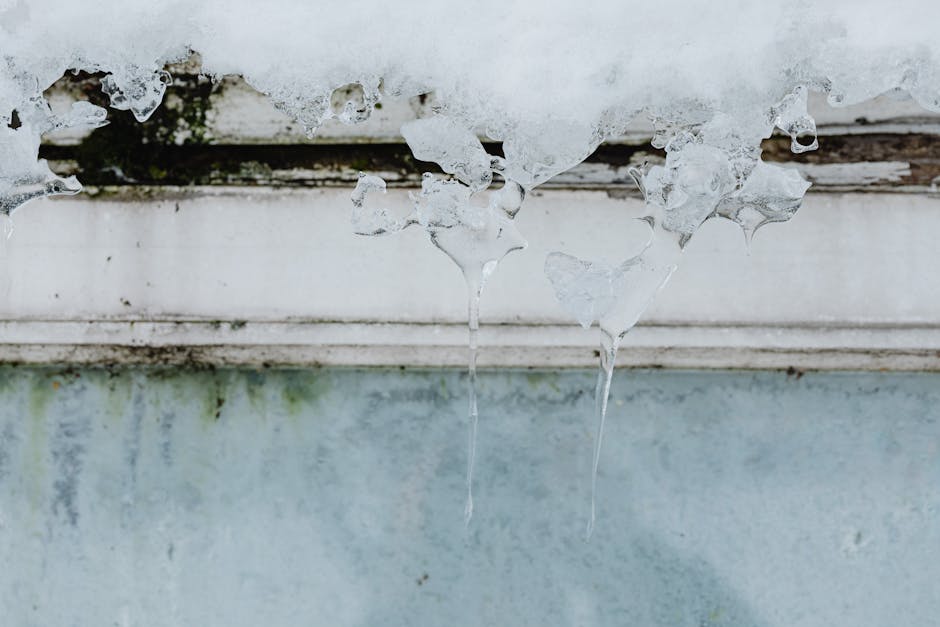
When the polar vortex descends on Palatine and the greater Chicago northwest suburbs, temperatures can plummet to dangerous lows that put your home’s plumbing system at serious risk. As a homeowner in our area, you’re likely familiar with the harsh winter reality—those bone-chilling nights when the mercury drops well below zero and stays there for days. During these extreme cold snaps, frozen pipes become more than just an inconvenience; they can lead to costly water damage and plumbing emergencies that no family wants to deal with during the coldest days of the year.
Many Palatine homes, particularly those built during the suburban boom of the 1960s and 70s, face unique challenges when winter weather strikes. These older homes often have plumbing configurations that made sense decades ago but can be vulnerable to today’s increasingly extreme weather patterns. The good news? With the right preparation and knowledge, you can protect your home’s plumbing system and avoid the stress of frozen pipes during the next polar vortex.
Understanding Your Palatine Home’s Vulnerability
The Chicago suburbs experience a true four-season climate, but our winters can be particularly brutal. When temperatures drop below 20°F and stay there, any water line that isn’t properly insulated becomes susceptible to freezing. This is especially true for homes in Palatine’s established neighborhoods, where plumbing may run through unheated basements, crawl spaces, or along exterior walls.
Older construction methods common in our area often placed water lines in locations that seemed practical at the time but prove problematic during extreme cold. Pipes running through rim joists, uninsulated basement walls, or near foundation gaps are particularly vulnerable. Additionally, our region’s hard water can contribute to reduced pipe diameter over time due to mineral buildup, making frozen blockages more likely to cause pipe bursts.
Your home’s plumbing system is most at risk in areas where cold air can reach the pipes. Basements in Palatine homes are especially vulnerable, particularly where pipes run near exterior foundation walls or window wells. Even a small crack or gap in your foundation can allow frigid air to reach water lines during a polar vortex.
Pre-Winter Preparation Strategies
The best defense against frozen pipes is preparation before the cold hits. Start by walking through your home and identifying all exposed plumbing, paying special attention to your basement, garage, and any crawl spaces. Look for pipes running along exterior walls or in unheated areas.
DIY Pipe Insulation: For exposed pipes in basements or other accessible areas, foam pipe insulation is an affordable and effective solution. This inexpensive material, available at any hardware store, slides over pipes and provides crucial protection during cold snaps. Focus on pipes within three feet of exterior walls, as these are most vulnerable to temperature drops.
Seal Air Leaks: Check around your foundation, basement windows, and any areas where pipes enter your home. Even small gaps can allow enough cold air in to freeze pipes during extreme weather. Use caulk or expanding foam to seal these openings. Pay particular attention to rim joist areas, which are common problem spots in older Palatine homes.
However, if you discover plumbing issues during your inspection—such as leaking joints, corroded connections, or pipes in hard-to-reach areas that need insulation—this is when you should contact a professional plumber rather than attempting complex repairs yourself.
Emergency Prevention During Extreme Cold
When weather forecasts predict a polar vortex or extended below-zero temperatures, it’s time to activate your emergency prevention strategies. These simple steps can make the difference between a comfortable winter and a plumbing disaster.
Keep Water Moving: During the coldest nights, let faucets connected to vulnerable pipes drip slightly. Moving water is much less likely to freeze than stagnant water. Focus on faucets connected to pipes running through exterior walls or unheated spaces. Yes, this will increase your water bill slightly, but it’s far less expensive than dealing with burst pipes and water damage.
Maintain Interior Heat: Keep your thermostat set to at least 55°F, even when you’re away from home. It might be tempting to lower the temperature to save on heating costs, but the risk of frozen pipes far outweighs the savings. Open cabinet doors under sinks, especially those on exterior walls, to allow warm air to circulate around the plumbing.
Basement and Sump Pump Attention: Your basement plumbing and sump pump services are crucial during winter weather. Ensure your sump pump is functioning properly before extreme cold hits, as frozen discharge lines can cause backup problems. If you’re unsure about your sump pump’s condition, have it inspected before winter weather arrives.
Recognizing and Responding to Frozen Pipes
Despite your best efforts, pipes can still freeze during extreme weather. Knowing how to recognize and respond to frozen pipes can prevent a manageable situation from becoming a costly disaster.
Signs of frozen pipes include no water coming from faucets, unusual smells coming from drains, or visible frost on exposed pipes. If you turn on a faucet and only a trickle comes out, you likely have ice blocking the line somewhere.
Safe DIY Thawing: If you can locate the frozen section and it’s accessible, you can attempt to thaw it yourself. Use a hair dryer, heating pad, or warm towels—never a torch, propane heater, or other open flame. Start thawing closest to the faucet and work toward the blockage. Keep the faucet open so melting ice can flow out.
When to Call for Emergency Plumbing: If you can’t locate the frozen area, if pipes are inside walls or ceilings, or if you suspect a pipe has already burst, it’s time to call for professional emergency plumbing services immediately. Attempting to thaw pipes in walls or inaccessible areas without proper equipment can cause more damage than the original freeze.
Long-term Solutions for Palatine Homes
While emergency measures help during immediate cold snaps, consider long-term improvements to protect your plumbing system year after year. This is especially important for owners of older homes in Palatine’s established neighborhoods.
Professional insulation upgrades, pipe rerouting, or installation of heat tape on vulnerable lines can provide permanent protection. A qualified plumber can assess your home’s specific vulnerabilities and recommend targeted solutions that make sense for your situation and budget.
For homes with recurring freezing issues, solutions might include relocating problem pipes, adding supplemental heating to vulnerable areas, or upgrading insulation around critical plumbing areas. These investments pay for themselves by preventing future emergency situations and potential water damage.
Regular maintenance also plays a crucial role in winter preparedness. Annual drain cleaning can prevent blockages that make freezing more likely, while routine inspections can identify potential problems before they become emergencies.
Protecting Your Investment
Your home’s plumbing system represents a significant investment, and protecting it during Palatine’s harsh winters is essential for maintaining both comfort and property value. The combination of our area’s extreme winter weather, hard water conditions, and aging infrastructure in many homes creates unique challenges that require proactive attention.
Remember that while many preventive measures are within the scope of DIY maintenance, complex issues require professional expertise. Knowing when to handle something yourself and when to call for help is crucial for both safety and effectiveness.
By taking these preventive steps and knowing how to respond during extreme weather, you can protect your home’s plumbing system and avoid the disruption and expense of frozen or burst pipes. Stay warm, stay prepared, and remember that professional help is always available when you need it.
Need professional help protecting your plumbing this winter? Call The Palatine Plumber at (847) 241-2651.
Need Professional Help?
If you're experiencing plumbing issues in Palatine, our licensed plumbers are ready to help.
Call The Palatine Plumber: (847) 241-265124/7 Emergency Service Available