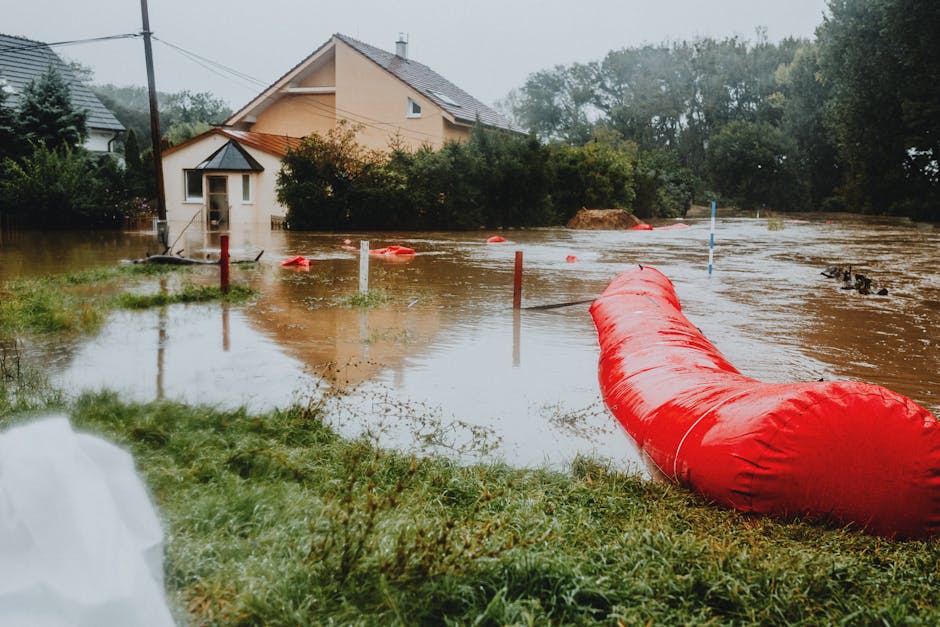
Spring Thaw Plumbing Problems in Palatine
As winter loosens its grip on the northwest suburbs of Chicago, Palatine homeowners know they’re entering one of the most challenging times for their home’s plumbing system. The dramatic temperature swings from February through April—where we might see 10-degree mornings followed by 50-degree afternoons—create the perfect storm for plumbing problems. After months of polar vortex conditions and ground frost that can extend several feet deep, the spring thaw brings its own unique set of challenges that every Palatine resident should be prepared to handle.
If you’ve lived in Palatine for more than a few years, you’ve probably experienced at least one spring plumbing emergency. Whether it’s a burst pipe in your basement, a overwhelmed sump pump, or mysterious water damage that appears seemingly overnight, spring thaw season keeps local plumbers busy for good reason. Understanding what to watch for—and when to tackle problems yourself versus calling in professional help—can save you thousands of dollars in water damage and costly emergency repairs.
Why Spring Thaw Hits Palatine Homes Particularly Hard
Our location in the northwest suburbs means we experience some of the most dramatic freeze-thaw cycles in the Chicagoland area. Unlike homes closer to Lake Michigan that benefit from the lake’s moderating effect, Palatine sees those sharp temperature swings that wreak havoc on plumbing systems.
Many of our neighborhoods were built during the construction boom of the 1960s and 70s, when building codes were different and materials weren’t designed to handle the extreme temperature variations we see today. These older homes often have:
- Copper pipes that have been expanding and contracting for decades
- Basement plumbing that wasn’t insulated to modern standards
- Original sump pump systems that may be reaching the end of their lifespan
- Foundation settling that can stress pipe joints
Add to this the fact that Palatine sits on soil with high clay content that expands significantly when it freezes, and you have the perfect recipe for spring plumbing problems. As the ground thaws unevenly—often staying frozen deep underground while surface soil warms—the shifting and settling can stress underground pipes and foundation waterproofing.
The Most Common Spring Plumbing Issues in Palatine
Frozen and Burst Pipes
Even as daytime temperatures rise, nighttime freezing can continue well into April in our area. Pipes that survived the worst of winter sometimes fail during these shoulder months when homeowners let their guard down.
DIY Prevention Tip: Keep faucets dripping during nights when temperatures are forecast to drop below 32°F, even in March and April. This small amount of moving water can prevent ice formation in pipes that are already stressed from months of freeze-thaw cycles.
If you discover a burst pipe, immediately shut off your main water supply (usually located near your water meter or where the main line enters your house) and call for emergency plumbing services right away. While you might be tempted to attempt repairs yourself, burst pipes in Palatine’s clay soil often indicate larger problems that require professional assessment.
Sump Pump Overload
Spring thaw in Palatine means your sump pump is about to work overtime. Between snowmelt and early spring rains, the amount of water your system needs to handle can increase dramatically almost overnight.
Warning signs your sump pump needs attention:
- Running constantly during dry weather
- Strange noises or vibrations
- Rust or corrosion around the unit
- Age over 7-10 years (especially important given our heavy usage climate)
DIY Maintenance: Test your sump pump monthly by pouring a bucket of water into the sump pit. The pump should activate quickly and discharge water efficiently. Clean debris from the intake screen and ensure the discharge pipe directs water well away from your foundation.
However, if your sump pump fails during peak thaw season, this is definitely a job for professional sump pump services. A flooded basement can cause tens of thousands in damage, and proper installation requires knowledge of local drainage patterns and building codes.
Drain Blockages and Slow Drains
Winter months mean more time indoors, more cooking, and often more hair and debris going down drains. As temperatures warm up and you start using water more frequently, those minor slowdowns can turn into major blockages.
DIY Solution for Minor Clogs: Before reaching for harsh chemicals, try this environmentally-friendly approach:
- Pour a pot of boiling water down the drain
- Follow with 1/2 cup baking soda
- Pour 1 cup of white vinegar down the drain and cover with a plug
- Wait 30 minutes, then flush with hot water
This method works especially well on bathroom drains clogged with soap and hair buildup. For kitchen drains dealing with grease buildup (common after months of holiday cooking), the hot water step is particularly important.
If this doesn’t solve the problem, or if multiple drains are backing up simultaneously, it’s time to call for professional drain cleaning services. Multiple drain backups often indicate a main line problem that requires specialized equipment to diagnose and resolve.
Foundation and Basement Waterproofing Concerns
Palatine’s clay soil presents unique challenges during spring thaw. Clay expands when wet and contracts when dry, creating constant pressure changes around your foundation. Combined with the fact that many of our homes have basements—unlike newer construction in warmer climates—spring thaw can reveal waterproofing problems that developed over the winter.
Signs to watch for:
- New cracks in basement walls
- White, chalky deposits on basement walls (efflorescence)
- Musty odors that weren’t present before
- Damp spots on basement floors
- Water stains on walls that appear after heavy rains or rapid snowmelt
Small amounts of basement moisture might be manageable with improved ventilation and dehumidification, but any actual water intrusion should be evaluated by a professional. What starts as a small leak can quickly become a major structural issue, especially in our freeze-thaw climate where water can get into cracks and expand when temperatures drop again.
Hard Water Problems Amplified by Temperature Changes
Palatine’s municipal water supply is relatively hard, and many homes have private wells with even harder water. During winter months when water usage patterns change and pipes experience temperature stress, mineral buildup problems can accelerate.
Spring is an excellent time to evaluate your water quality and consider whether your current water treatment system is adequate. Signs that hard water problems may have worsened over winter include:
- Decreased water pressure (especially in showers)
- White buildup around faucets and showerheads
- Appliances like water heaters and dishwashers working less efficiently
- Increased soap usage needed to create lather
Simple DIY Check: Remove your showerhead and soak it overnight in white vinegar to dissolve mineral deposits. If this dramatically improves water pressure, mineral buildup is likely affecting your entire plumbing system.
For whole-house hard water solutions, consulting with a local plumber familiar with Palatine’s water conditions is your best bet. They can recommend treatment systems sized appropriately for our specific water quality challenges.
When to Call a Professional vs. DIY
While we’ve covered some DIY solutions, it’s important to recognize when a problem requires professional expertise. In Palatine’s challenging climate, attempting complex plumbing repairs yourself can often lead to bigger problems down the road.
Call a professional immediately for:
- Any burst or leaking pipes
- Sump pump failures (especially during active thaw periods)
- Multiple drain backups
- Any sign of sewage backup
- Water heater problems
- Basement flooding of any amount
- Gas line issues (common in our area’s older homes)
Safe for DIY:
- Minor drain clogs in single fixtures
- Toilet clogs (with appropriate tools)
- Replacing faucet aerators and showerheads
- Basic sump pump testing and cleaning
- Adjusting water heater temperature settings
Remember, what seems like a simple problem can often indicate larger issues in our climate. A small leak might be the first sign of pipe failure that could leave you without water during a late-season cold snap.
Preparing for Next Winter Starts Now
Spring is also the perfect time to start preventing next winter’s problems. Consider having a professional plumbing inspection to identify potential issues before they become emergencies. This is especially important if you live in one of Palatine’s older neighborhoods where original plumbing may be reaching the end of its useful life.
The dramatic weather patterns we experience in the northwest suburbs aren’t getting any less extreme, so investing in preventive maintenance now can save significant money and hassle when the next polar vortex arrives.
As we move through spring and into summer, keep an eye on your plumbing systems and don’t ignore small problems. In Palatine’s challenging climate, small issues have a way of becoming big
Need Professional Help?
If you're experiencing plumbing issues in Palatine, our licensed plumbers are ready to help.
Call The Palatine Plumber: (847) 241-265124/7 Emergency Service Available