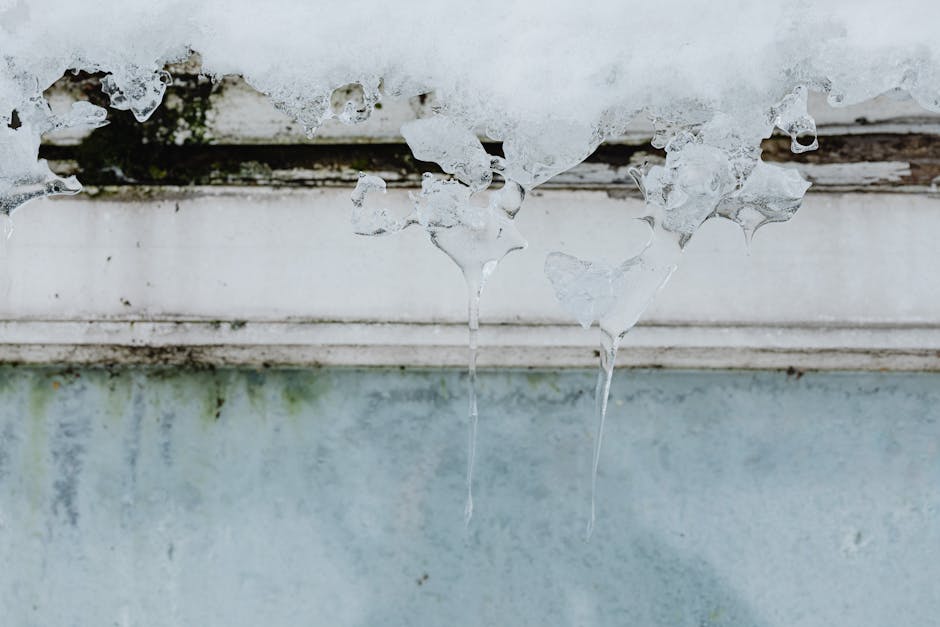
When those notorious Chicago winter temperatures plummet into the single digits—or worse, when a polar vortex descends on Palatine and the northwest suburbs—frozen pipes become every homeowner’s nightmare. If you’re dealing with this frustrating situation right now, don’t panic. While frozen pipes are a serious issue that can lead to costly water damage, there are steps you can take to address the problem and prevent it from happening again.
Living in Palatine means dealing with Illinois’ harsh winter weather, and our homes—especially those built during the suburban boom of the 1960s and 70s—weren’t always designed with today’s extreme temperature swings in mind. Let’s walk through what you need to know about handling frozen pipes safely and effectively.
Recognizing the Signs of Frozen Pipes
Before you can fix the problem, you need to confirm that frozen pipes are indeed the culprit. In Palatine homes, frozen pipes typically occur in predictable locations: basement areas near exterior walls, crawl spaces, and anywhere plumbing runs through unheated areas like garages or utility rooms.
The most obvious sign is when you turn on a faucet and only a trickle of water—or nothing at all—comes out. You might also notice unusual sounds in your plumbing system, like banging or gurgling noises when you try to run water. In some cases, you may actually see frost on exposed pipes or notice a strange smell coming from drains.
Pay special attention to your basement plumbing during these cold snaps. Many Palatine homes have main water lines that run along exterior basement walls, making them particularly vulnerable when temperatures drop below 20°F for extended periods.
Immediate Steps to Take When Pipes Freeze
Turn on affected faucets: Start by turning on both hot and cold water taps connected to the frozen pipe. Even if only a small trickle comes out, keep the faucet open. Moving water, even at a slow flow, helps prevent additional freezing and provides somewhere for water to go as the ice begins to melt.
Locate the frozen section: Check exposed pipes in basements, crawl spaces, and along exterior walls. Look for bulging, frost, or ice formation on the pipe surface. In older Palatine homes, pay particular attention to pipes near windows, exterior doors, or areas where you feel cold air infiltration.
Apply gentle heat: Once you’ve located the frozen area, you can attempt to thaw it using safe heating methods. A hair dryer works well—start closest to the faucet and work toward the coldest section. You can also wrap the pipe in towels soaked in warm water, replacing them as they cool. Space heaters can help warm the general area, but never leave them unattended and keep them away from water and flammable materials.
Never use open flames: This cannot be stressed enough—never use a blowtorch, propane heater, or any open flame to thaw pipes. The extreme heat can damage pipes, create steam that may cause pipes to burst, and pose serious fire hazards.
When to Call a Professional Plumber in Palatine
While some frozen pipe situations can be handled with DIY methods, many require professional intervention. Call for emergency plumbing services immediately if you discover a burst pipe, see signs of water damage, or suspect the freeze has affected your main water line.
If the frozen pipe is inside a wall or ceiling, don’t attempt to access it yourself. This type of situation requires professional tools and expertise to avoid damage to your home’s structure. Similarly, if you can’t locate the frozen section after checking obvious areas, or if your DIY thawing attempts haven’t restored water flow after a few hours, it’s time to call in the experts.
Palatine’s older homes often have galvanized steel pipes that are more prone to freezing and bursting than modern materials. If your home dates from the 1960s or 70s and still has original plumbing, be especially cautious about attempting extensive DIY repairs. Professional plumbers understand the quirks and vulnerabilities of these older systems.
Also, if the freeze has affected multiple fixtures throughout your home, this likely indicates a problem with your main water line—definitely a job for professional plumbing services.
Preventing Future Freeze-Ups
The good news is that frozen pipes are largely preventable with proper preparation. During Palatine’s winter months, especially when temperatures are forecast to drop below 20°F, take proactive steps to protect your plumbing.
Insulate vulnerable pipes: Focus on areas where pipes run along exterior walls, in unheated basements, or through crawl spaces. Pipe insulation is inexpensive and available at any hardware store. Pay special attention to pipes near your sump pump—frozen sump pump discharge lines can lead to basement flooding when spring thaw arrives.
Seal air leaks: Those cold drafts you feel in your basement aren’t just uncomfortable—they’re pipe-freezing culprits. Seal gaps around pipes where they enter your home, and address any cracks in basement walls or around windows. This is especially important in Palatine’s older homes where settling may have created new gaps over the years.
Keep water moving: During extreme cold spells, let faucets drip slightly overnight. Moving water is much less likely to freeze than standing water. Focus on fixtures connected to pipes in vulnerable locations.
Maintain consistent temperatures: Avoid drastically lowering your thermostat when you’re away from home during winter. While it’s tempting to save on heating costs, the potential expense of dealing with frozen or burst pipes far exceeds any energy savings.
Special Considerations for Palatine Homes
Our area’s hard water can actually make pipes more susceptible to freezing, as mineral buildup reduces the interior diameter of pipes and creates rough surfaces where ice can more easily form. If you’ve been putting off drain cleaning or addressing slow-flowing fixtures, winter is definitely not the time to ignore these issues.
Many Palatine homes also rely on sump pumps to manage groundwater, especially during spring thaws. Make sure your sump pump services include checking the discharge line for potential freeze points. A frozen sump pump discharge can cause backups that lead to basement flooding.
The freeze-thaw cycles common in our area can be particularly hard on plumbing systems. Unlike areas with consistently freezing temperatures, our fluctuating winter weather means pipes may partially freeze and thaw repeatedly, creating stress that can lead to cracks and eventual failures.
Conclusion
Dealing with frozen pipes in Palatine doesn’t have to be a disaster if you know how to respond appropriately. Remember that safety should always be your first priority—when in doubt, it’s better to call for professional help than risk making the situation worse.
While prevention is always the best strategy, understanding how to respond when pipes do freeze can save you time, money, and significant water damage. Keep these tips handy during our harsh Illinois winters, and don’t hesitate to reach out for professional assistance when the situation calls for it.
Need professional help with frozen pipes or want to discuss winterizing your plumbing system? Call The Palatine Plumber at (847) 241-2651. We’re here to help keep your home’s plumbing flowing smoothly, no matter what Chicago’s weather throws our way.
Need Professional Help?
If you're experiencing plumbing issues in Palatine, our licensed plumbers are ready to help.
Call The Palatine Plumber: (847) 241-265124/7 Emergency Service Available